Guide
Mortgage interest and tax: how landlords get relief
If you let a home, the interest on its mortgage isn’t taken off your rent like other costs. HMRC reduces your tax bill by 20% of it instead.
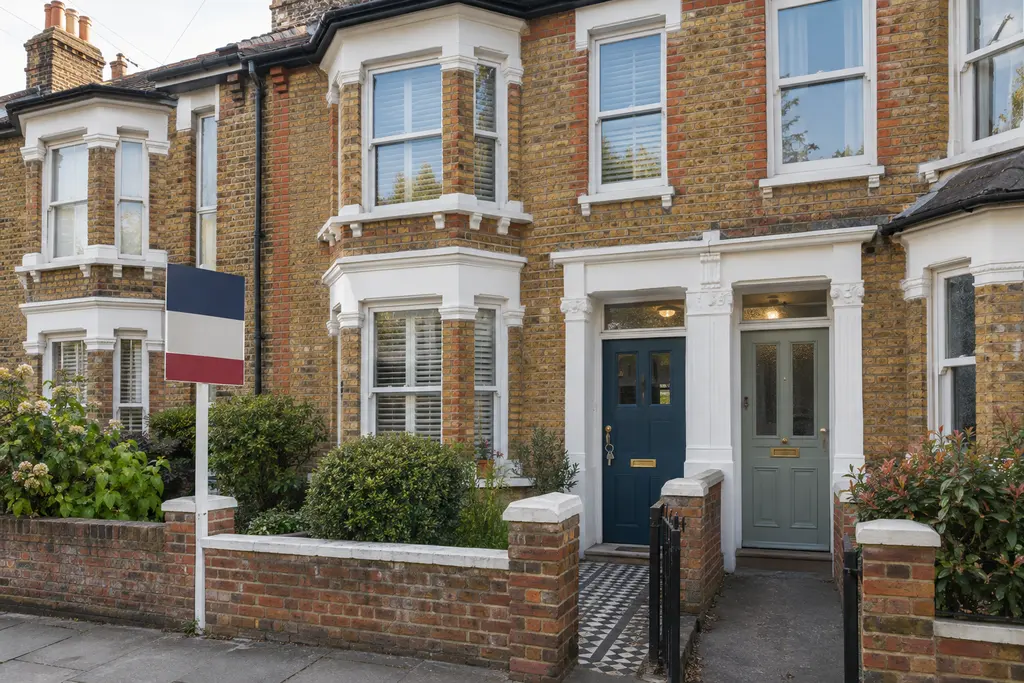
Most of what you spend on a let property comes off the rent before tax: repairs, insurance, letting agent fees. Mortgage interest on a residential let used to work the same way. Since 6 April 2020 it doesn’t. You pay tax on your profit before interest, and HMRC then reduces your tax by 20% of the interest. The rule is often called Section 24, after the part of the Finance Act that brought it in.
Which costs it covers
Finance costs for residential property you let as an individual, in the UK or abroad. That means mortgage interest, interest on other loans used for the letting, such as a loan for furniture or improvements, and the fees for arranging the finance.
Only the interest counts. On a repayment mortgage, part of each payment pays off the loan itself, and that part gets no tax relief at all. Your lender’s annual statement shows how much of the year’s payments was interest.
Holiday lets are included: the special rules for furnished holiday lettings ended on 6 April 2025. Commercial property is not, and its interest is still deducted as an ordinary expense. Limited companies are outside the rule too, which is one of the reasons some landlords let through a company. Our company or personal calculator compares the two.
How the 20% is worked out
The reduction is 20% of whichever of these is lowest:
- your finance costs for the year, plus any brought forward from earlier years
- the profit of your property business for the year, all your properties together
- your income for the year above the personal allowance, not counting savings and dividend income
For most landlords with a job or a pension, the first is the lowest, so the reduction is simply 20% of the interest. The reduction can bring your tax down to nothing but can’t create a refund.
Two examples
A higher-rate taxpayer. Priya earns £60,000 from her job. Her flat brings in £14,000 of rent a year, with £2,000 of running costs and £6,000 of mortgage interest. She’s taxed on £12,000 of property profit at 40%, which is £4,800. Her reduction is 20% of £6,000, so £1,200, and she pays £3,600. When interest was deducted in full, she’d have paid 40% of £6,000, so £2,400. Higher-rate landlords lose out, which is what the rule was for.
A basic-rate taxpayer. Tom earns £30,000. With the same flat, he pays 20% of £12,000, so £2,400, less the £1,200 reduction: £1,200. That’s what he’d have paid before. For basic-rate landlords the rule usually makes no difference, unless adding the interest back to profit pushes their income into the higher rate band.
That knock-on effect matters at other thresholds too. Because profit is counted before interest, it can push income past £100,000, where the personal allowance starts to shrink, or past the point where the High Income Child Benefit Charge applies. Our Section 24 calculator runs your own figures.
When interest is more than you can use
If the second or third limit is the lowest, part of the interest goes unrelieved that year. It isn’t lost. The difference carries forward and joins the next year’s finance costs, for as long as you have the property business. HMRC’s own example: finance costs of £15,000 with property profit of £13,000 gives a reduction of 20% of £13,000, and the other £2,000 is carried into the following year.
One more catch: if you claim the £1,000 property allowance instead of your actual expenses, you can’t claim the finance cost reduction as well.
Under Making Tax Digital
Your quarterly updates report residential finance costs in their own box, separate from your expenses, so HMRC can apply the reduction when it works out your tax for the year. Interest brought forward from earlier years has a box of its own as well.
In Quarterwise, record mortgage interest under “Residential mortgage interest”, and anything from earlier years under “Residential finance costs brought forward”. Neither is taken off your profit. Your property page labels the profit as taxable, shows what’s left after interest, and works out the most the reduction can be for the year across all your properties.
Common questions
Can landlords deduct mortgage interest from rental income?
Do mortgage capital repayments get tax relief?
What happens to interest I can’t use this year?
Does the rule apply to holiday lets?
Last updated 22 October 2026. Quarterwise is software, not a tax adviser — if you’re unsure how the rules apply to you, check with HMRC or a qualified accountant.
Related guides
Be ready for Making Tax Digital.
Set up your business or first property in two minutes. Free for your self-employment or one property, no card needed.